
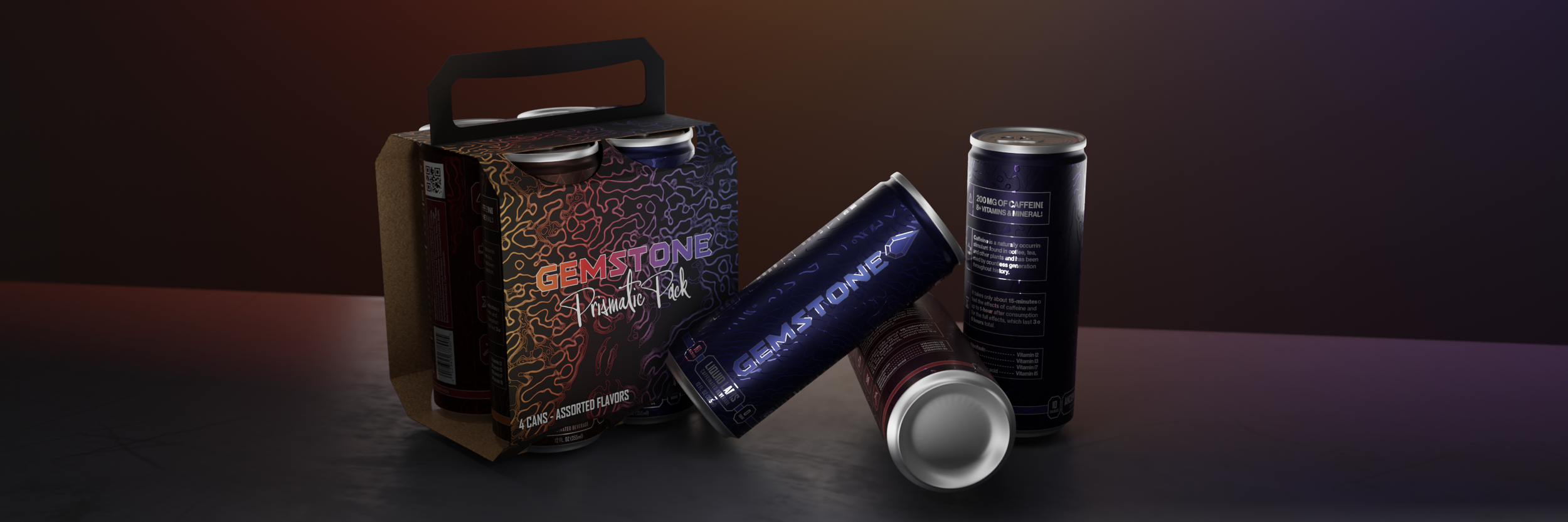
//
Spring, 20262026 RIT Graphic Design Capstone
Project Client: RIT Class
Advisor: Rachel Herring
Software Used:
Adobe Illustrator
Adobe Photoshop
Adobe After Effects
Blender
As one of the forty-seven members of the 2026 Undergraduate program my capstone had to show of my own abilities while also stand out against my peers. The project spanned across two semesters, starting from baseline ideation since there is wide variety of directions we could take for a Graphic Design capstone. My choice for my capstone was to create the branding and packaging for a new energy drink brand
// Problem Statement
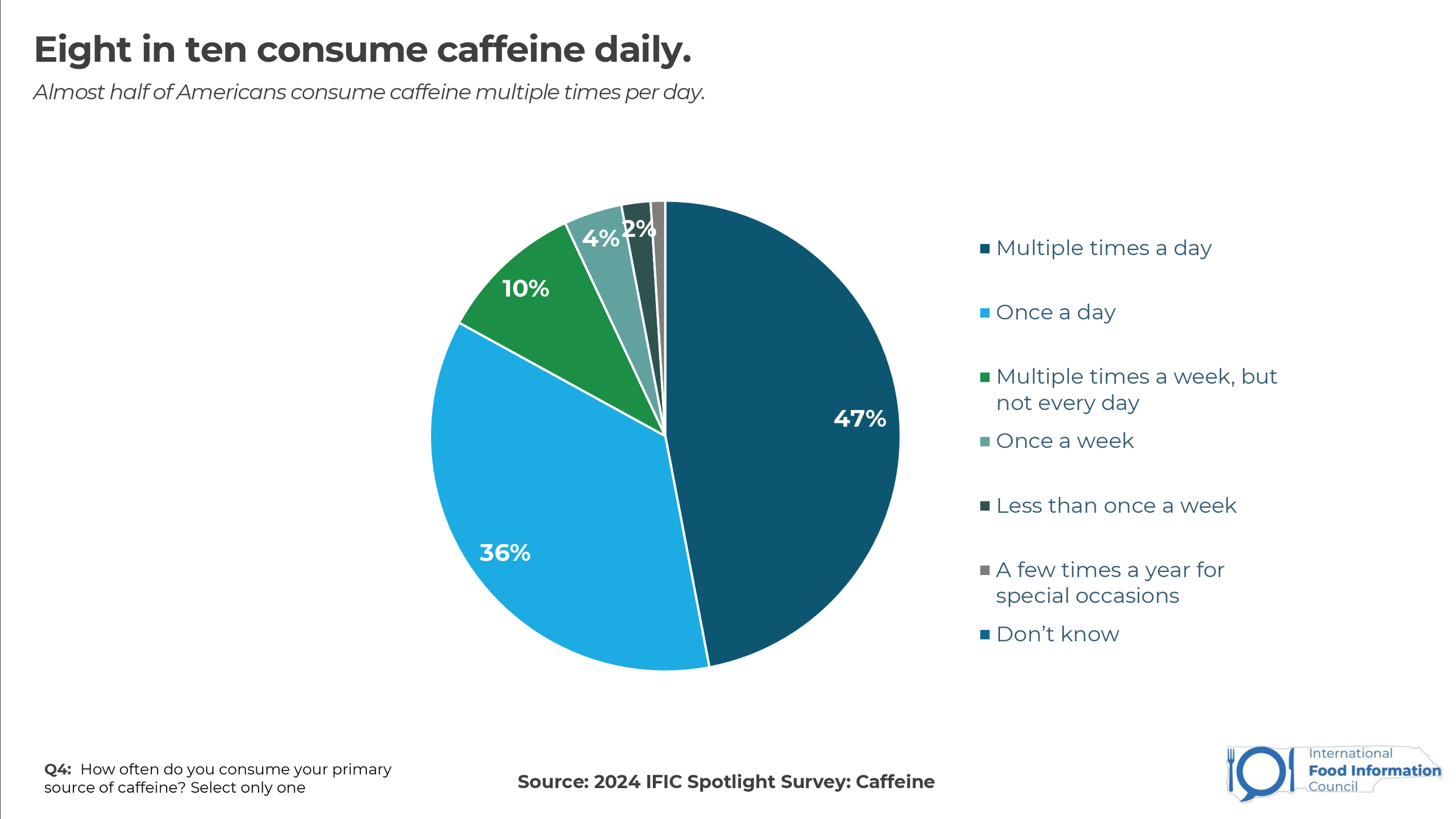
The market for energy drinks have become clustered with confusion. Whether that be misinformation or lack of information, it becomes an issue when over 80% of adults in the United States consume caffeine daily. So how is it that a brand can stand out in the over saturated beverage market while informing consumers?
// Process
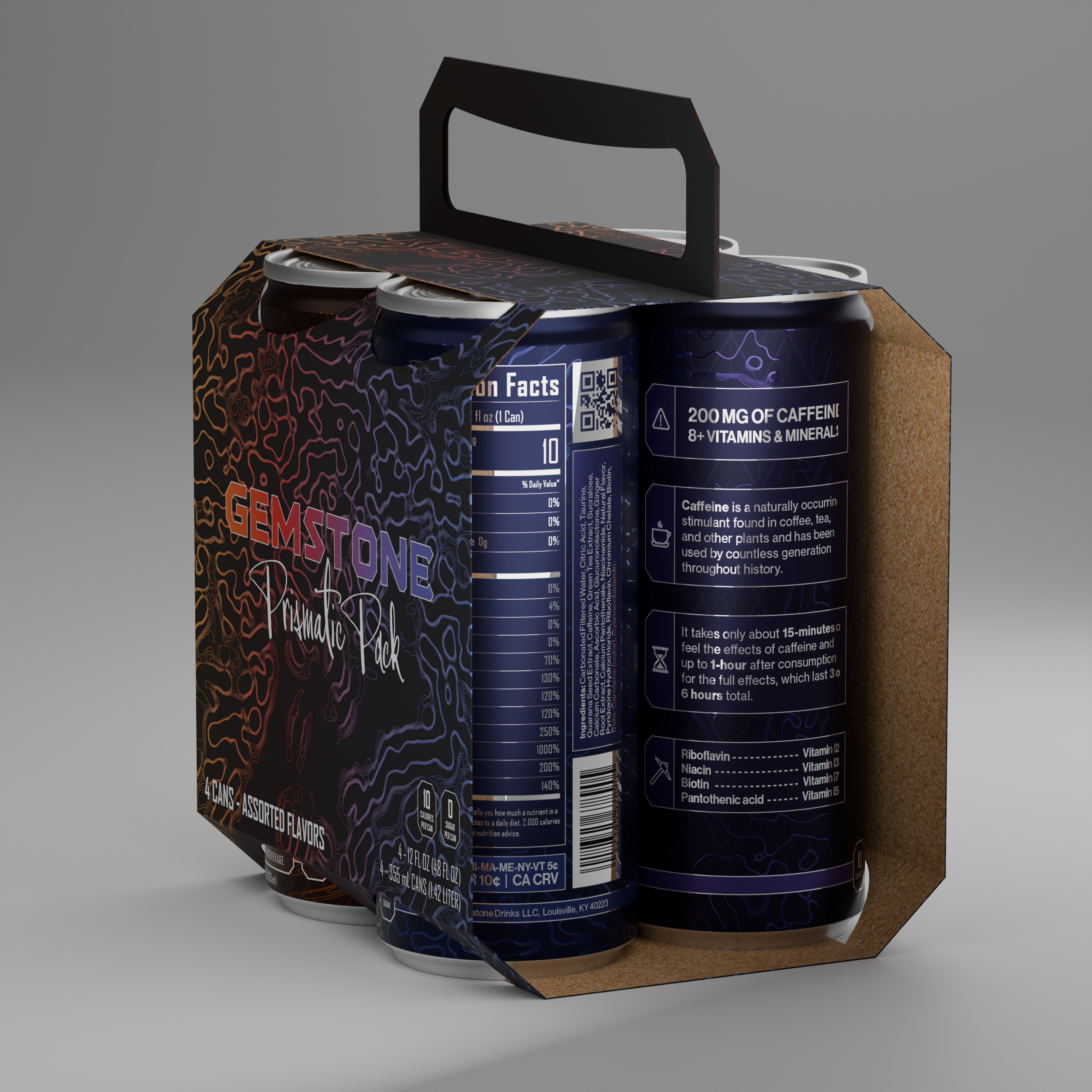
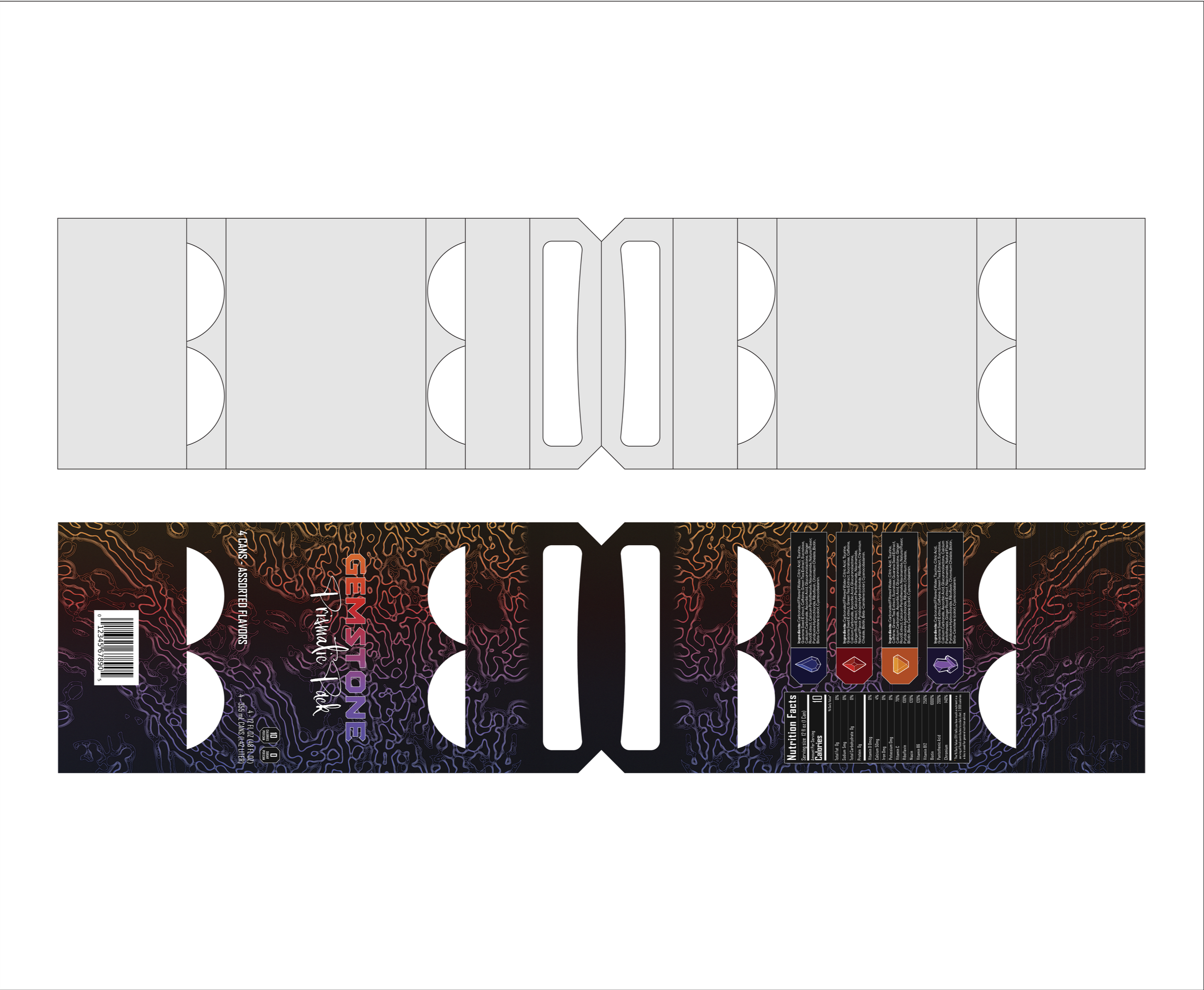
This project followed a vertically integrated design process starting with initial brand research and ideation, then developing the branding and packaging, and ending with contextual renders and mid fidelity mock-ups. Programs used include Adobe Illustrator and Photoshop as well as Blender.
// INsights
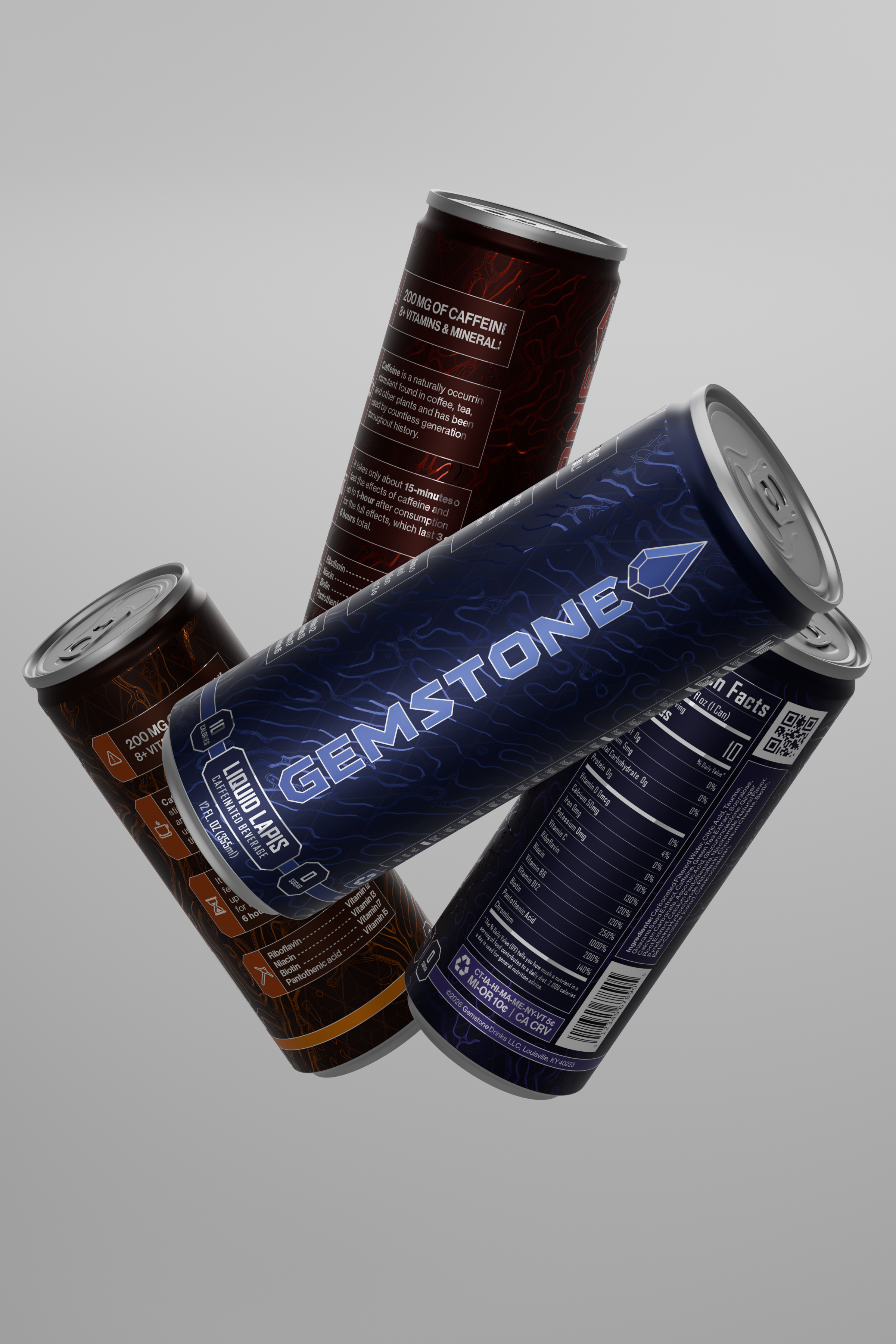
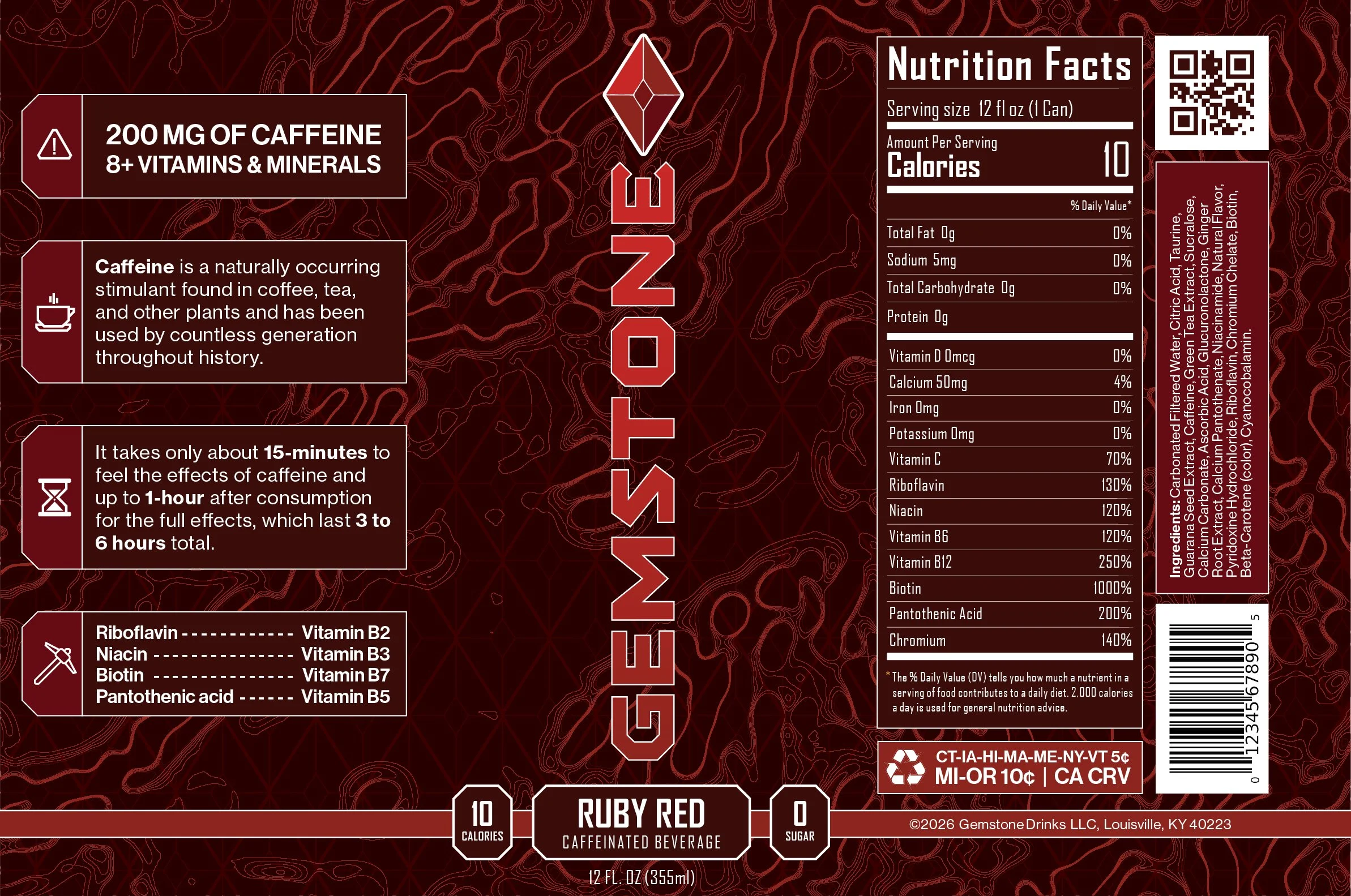
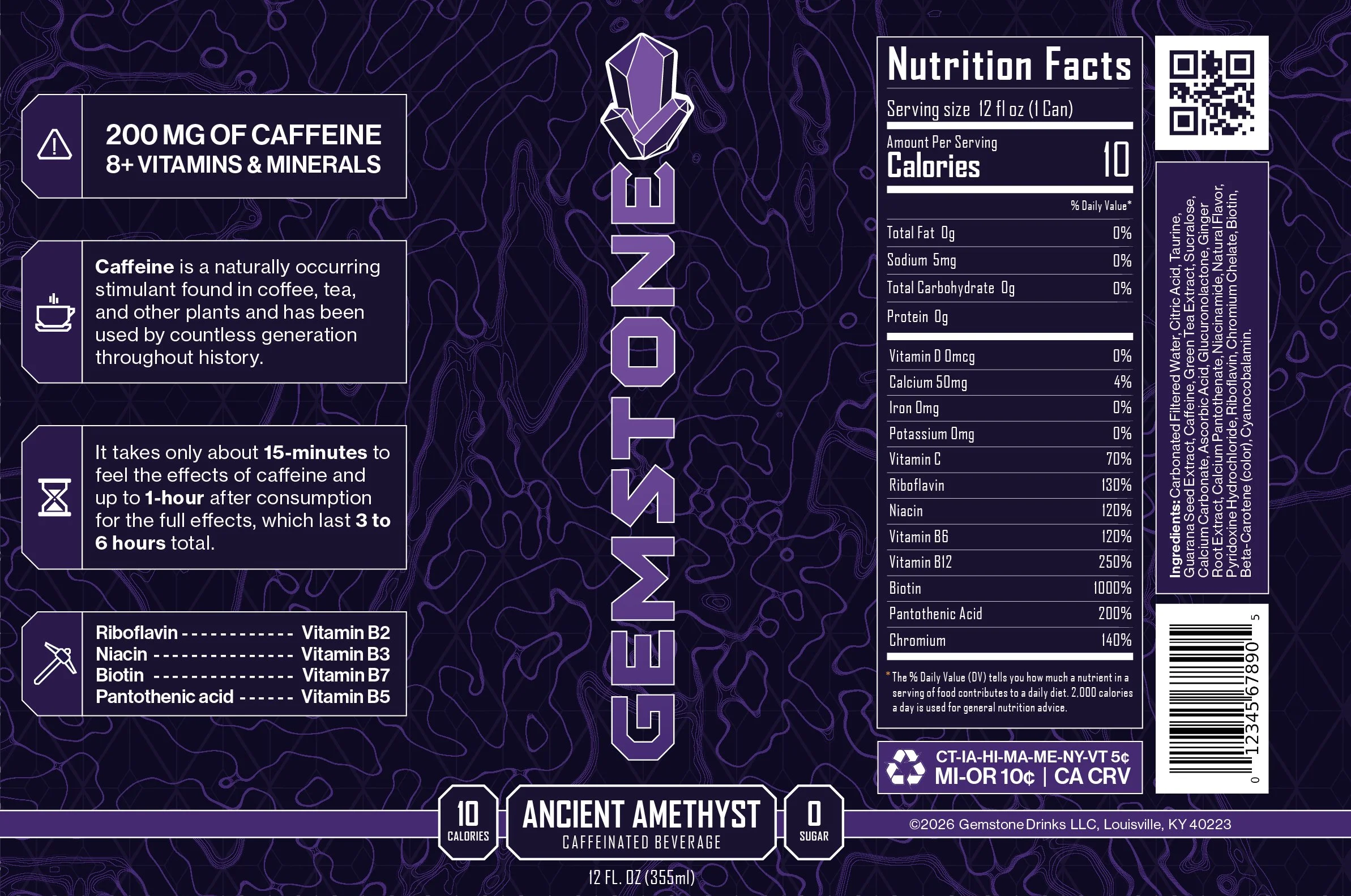
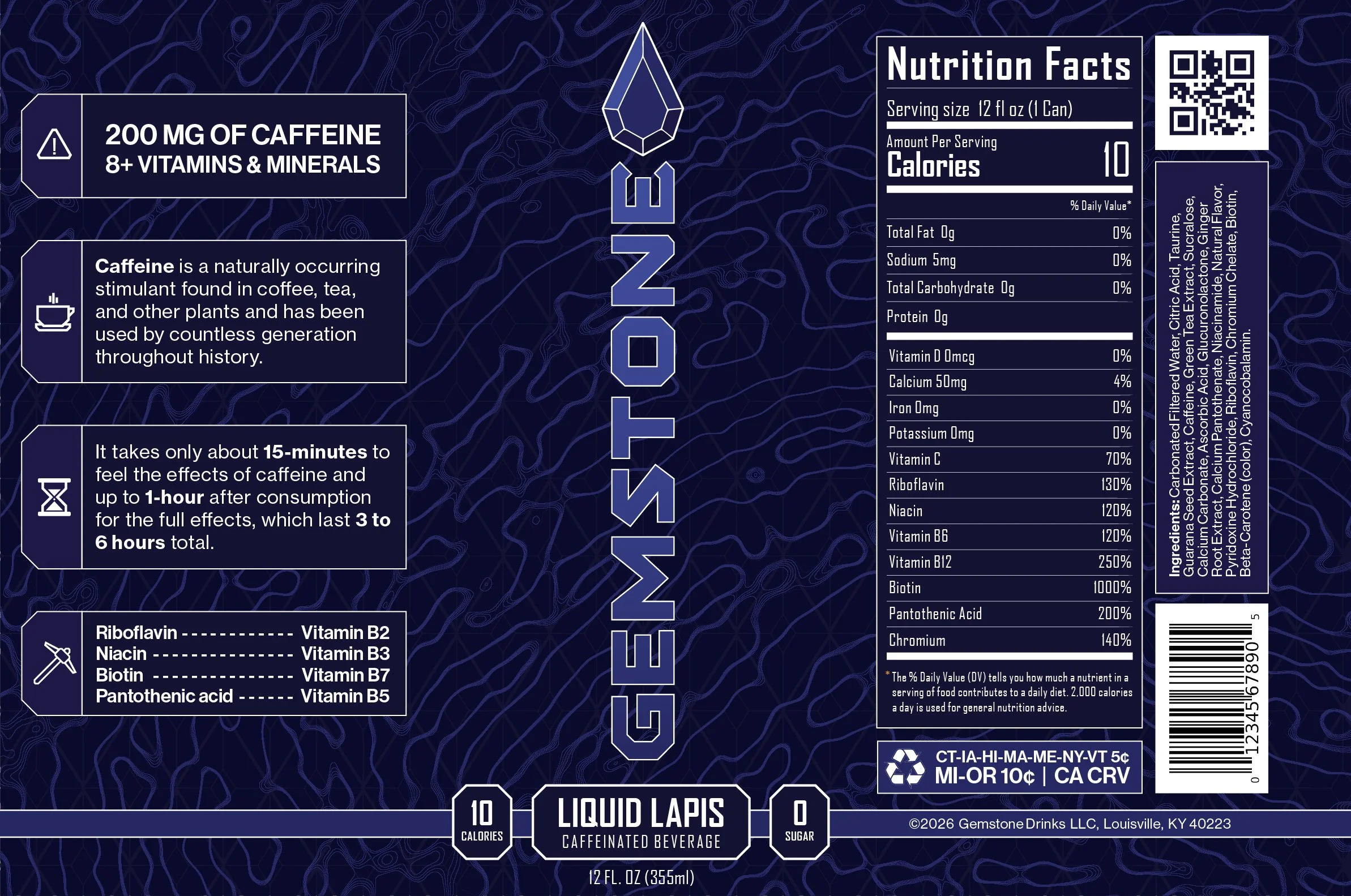
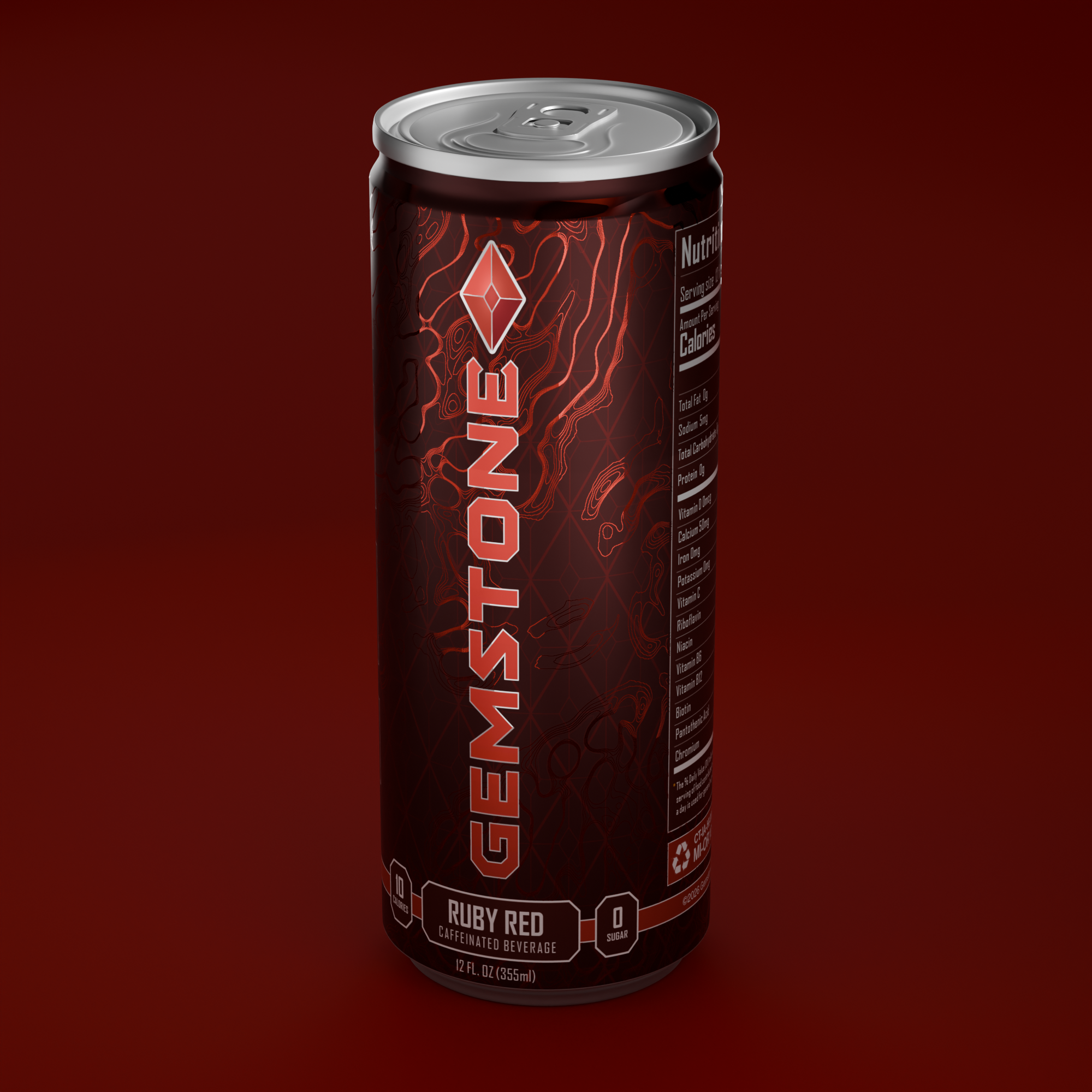
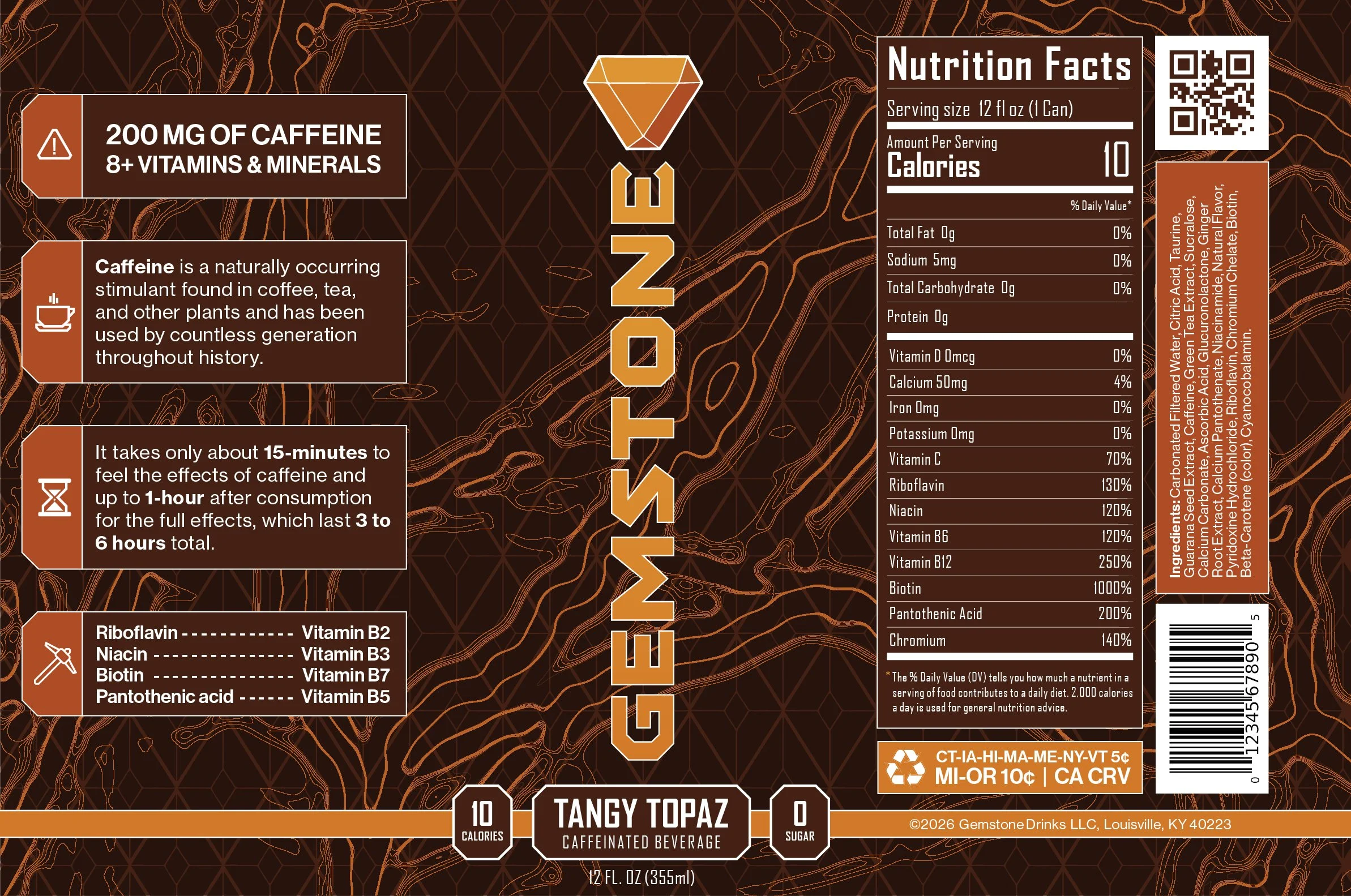
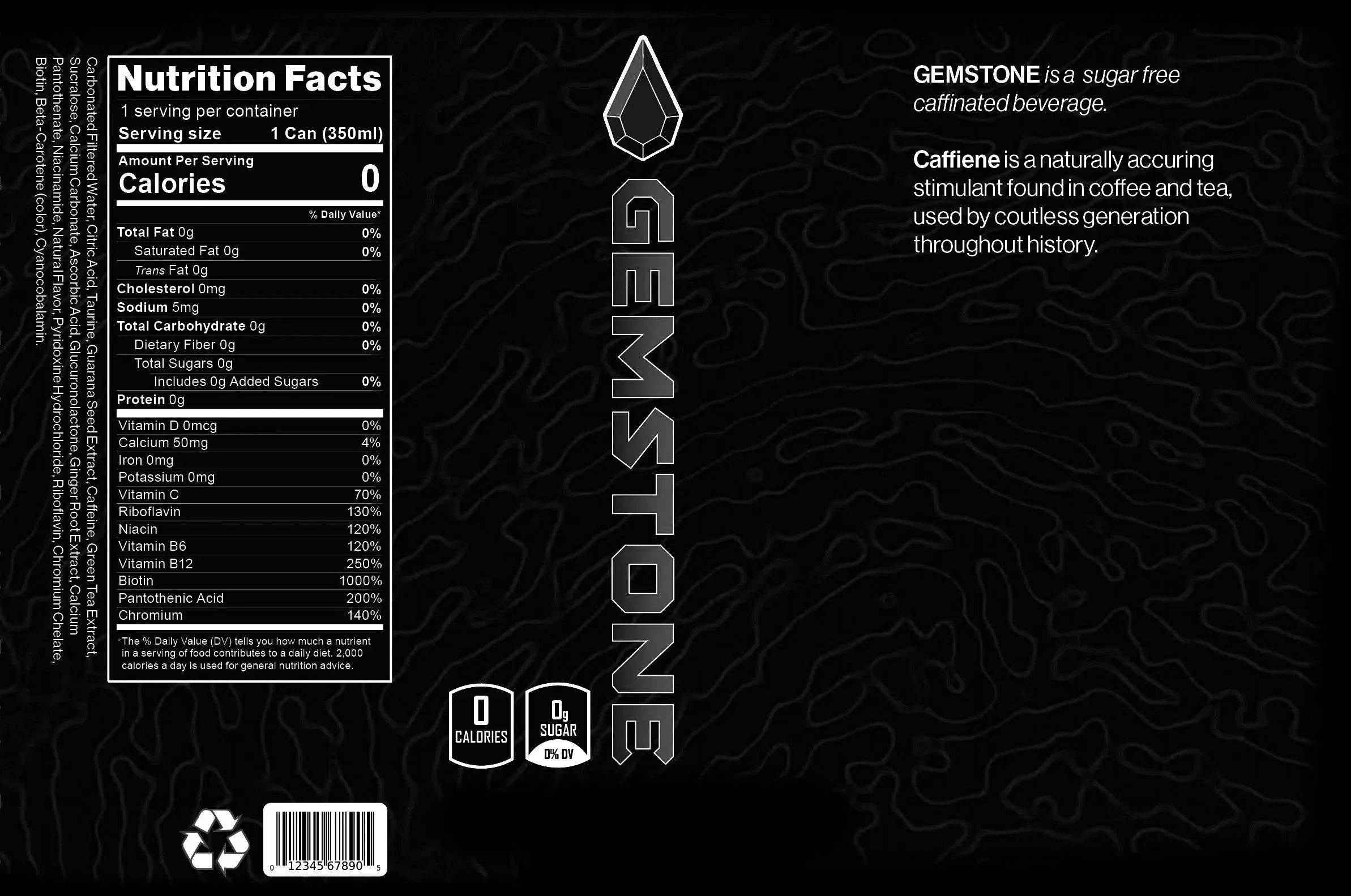
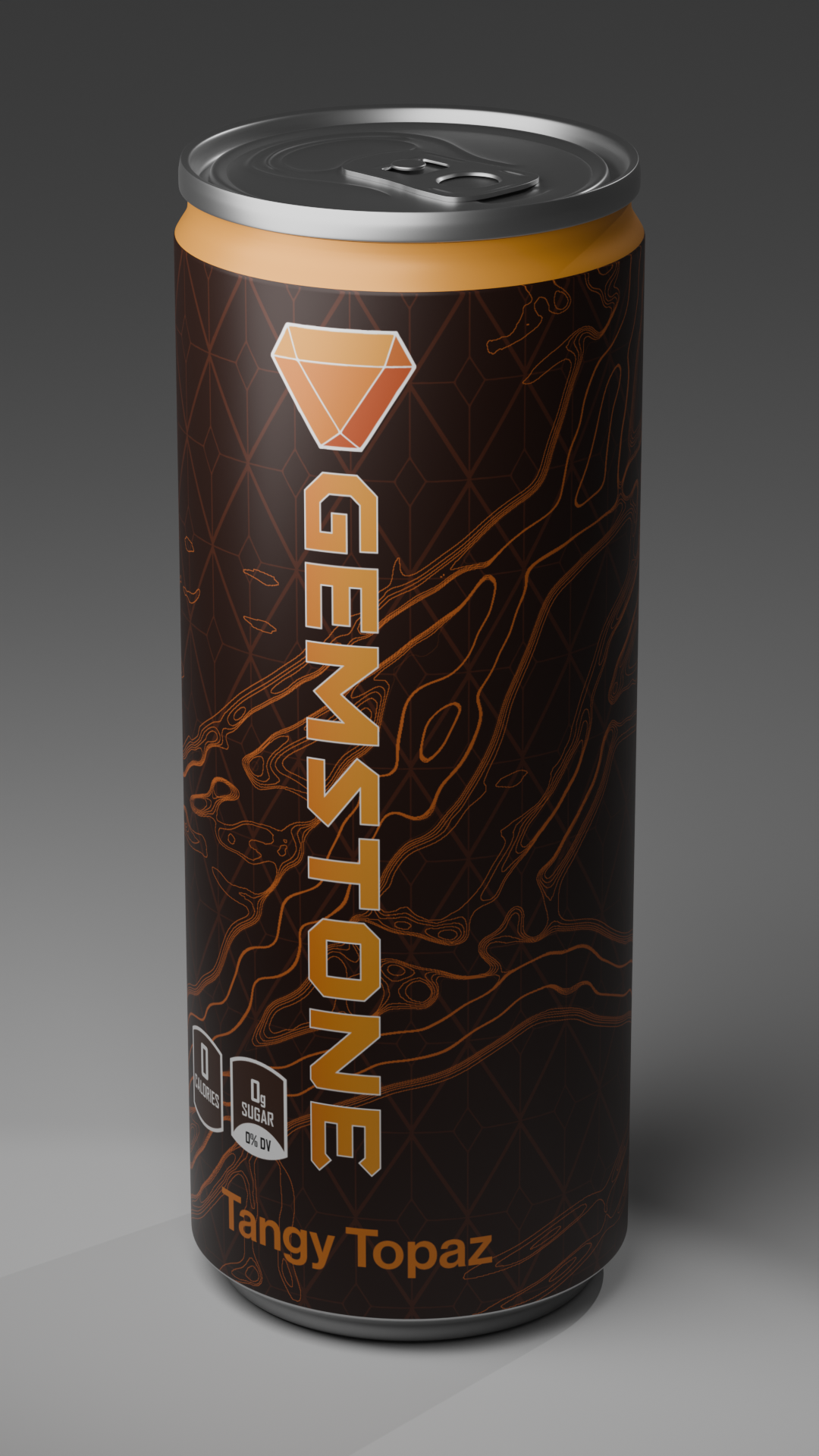
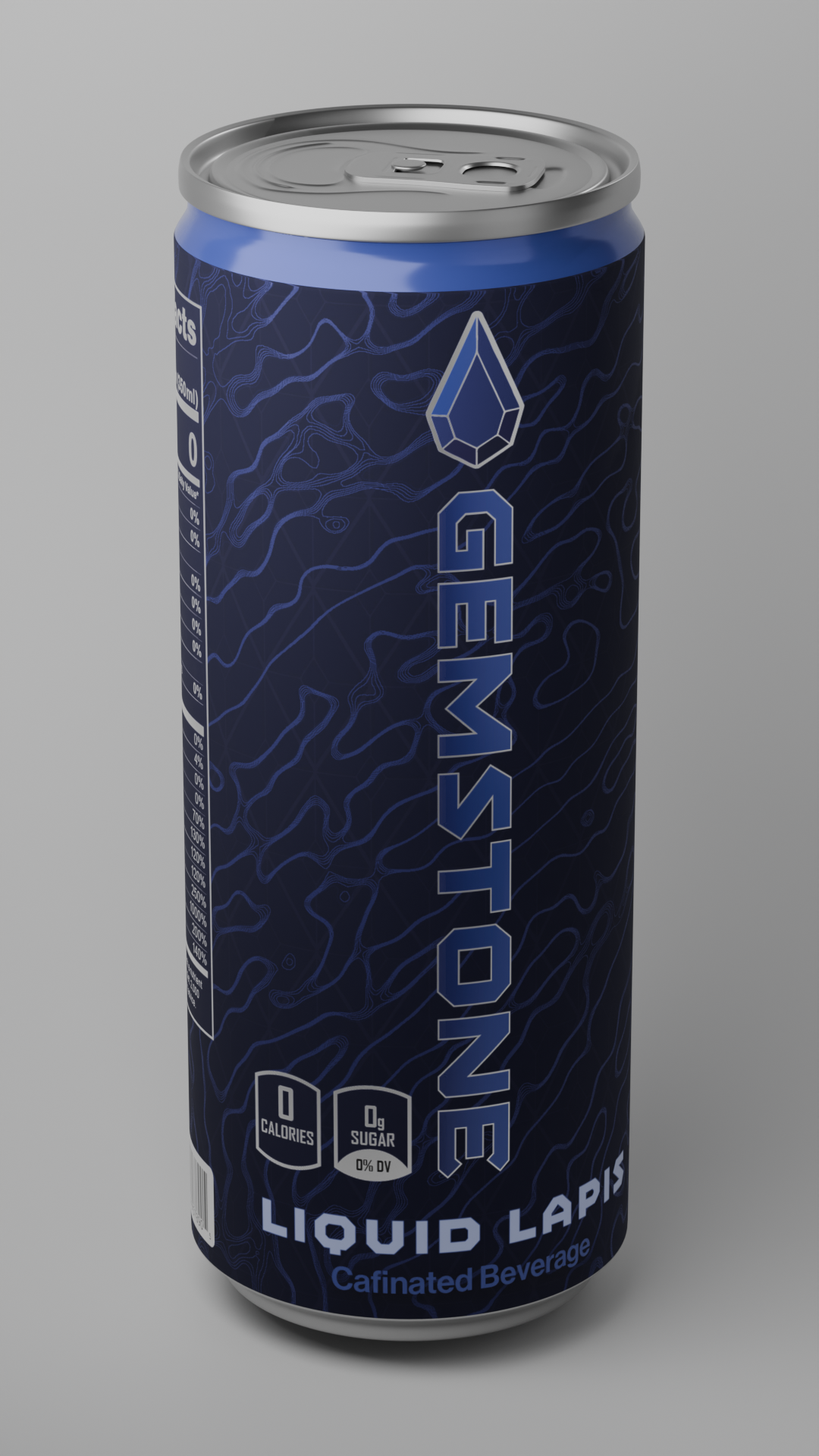
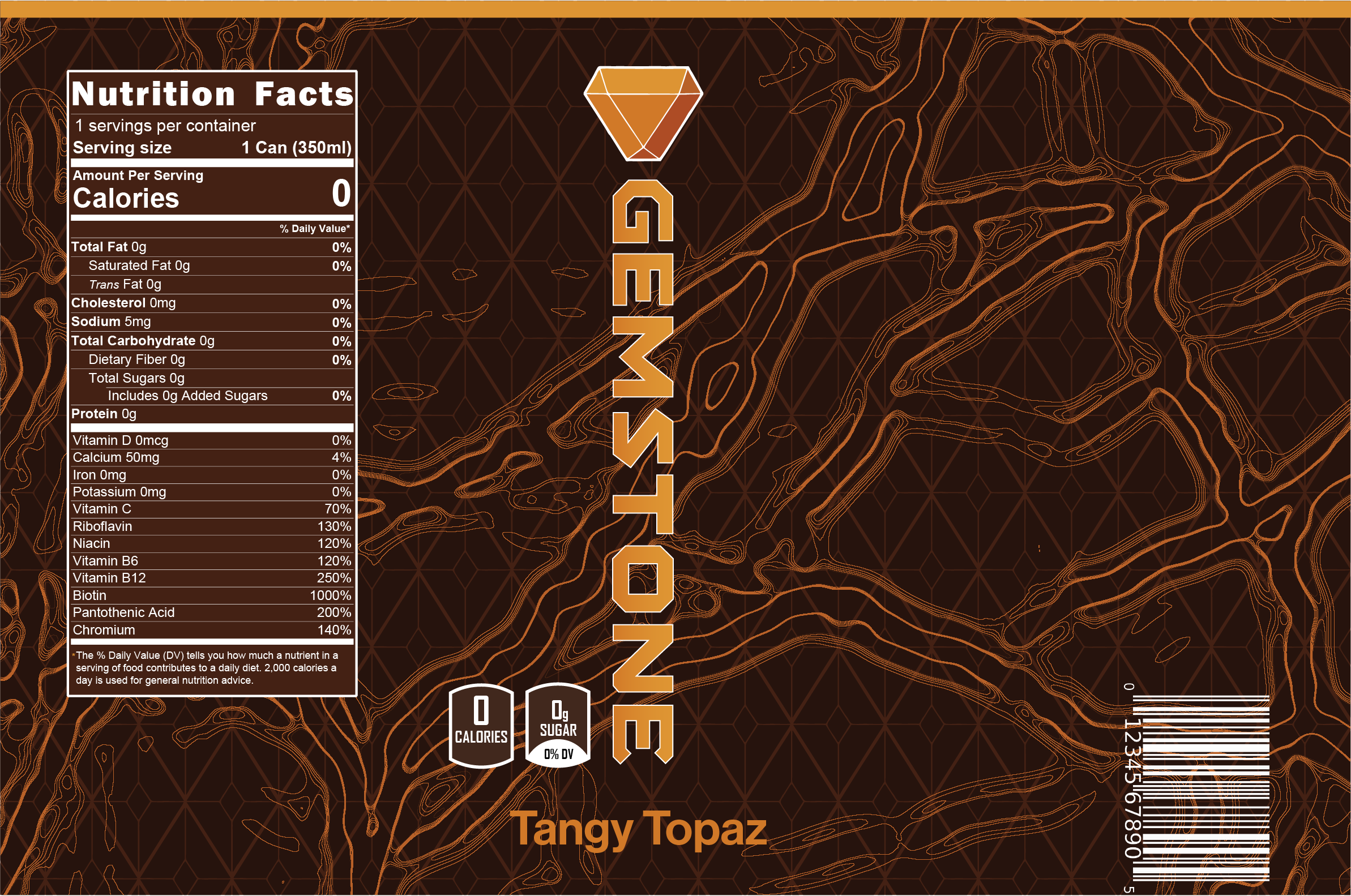
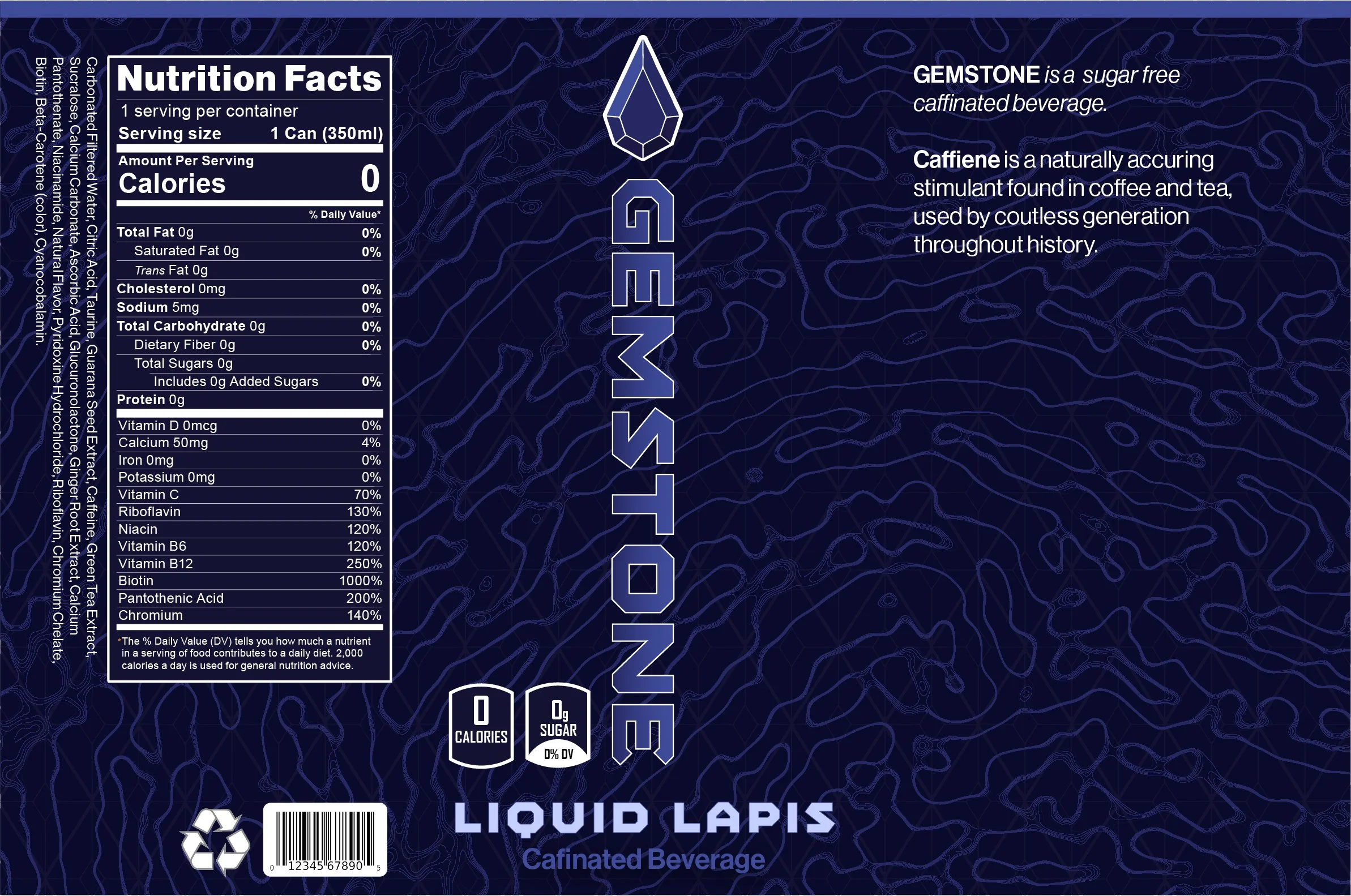
While working on this project one of the key takeaways was that it is the small things that bring everything together. For example, when working on the label it wasn’t until I added the barcodes, recycling, and copyright information that the can started to look like a real product instead of just a concept.
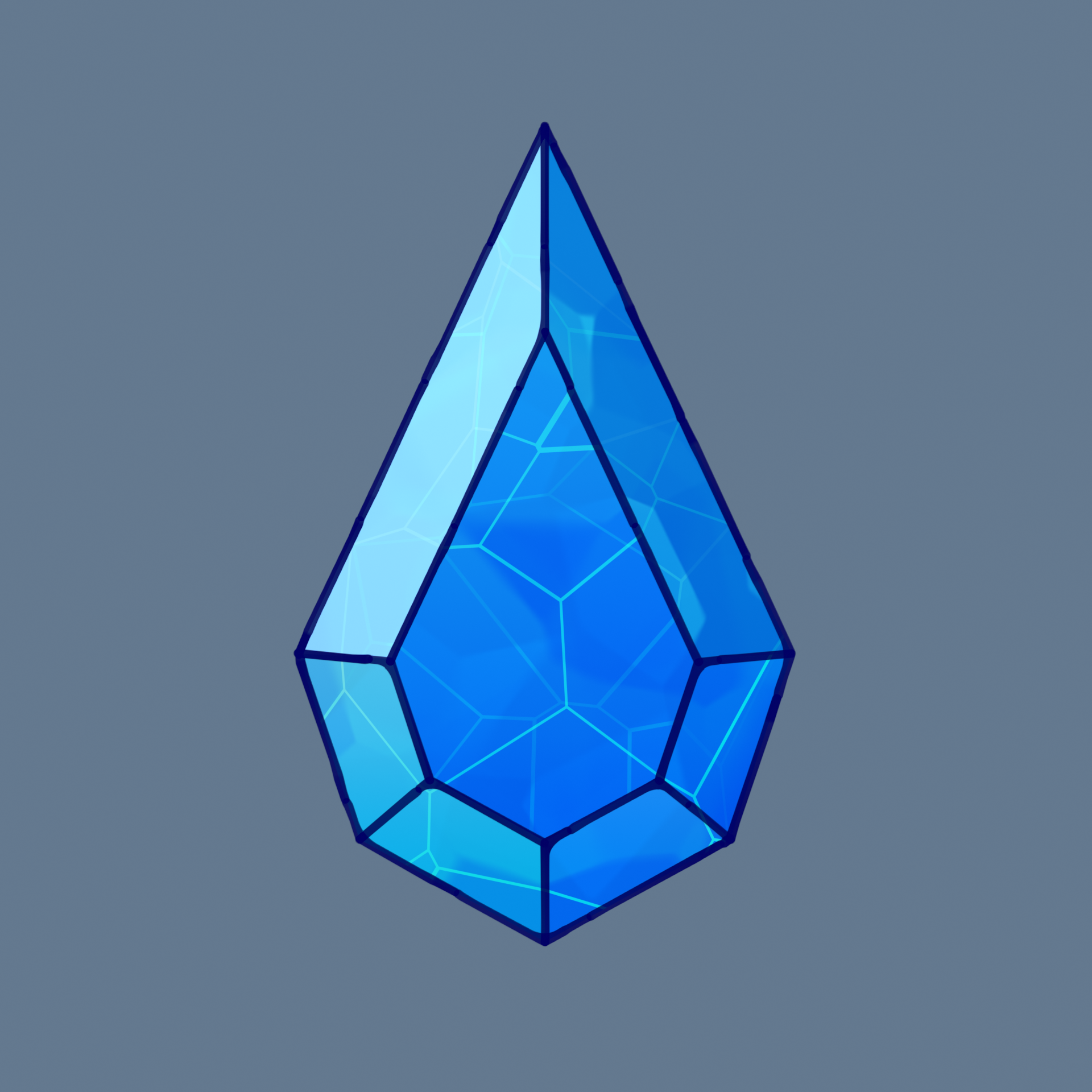

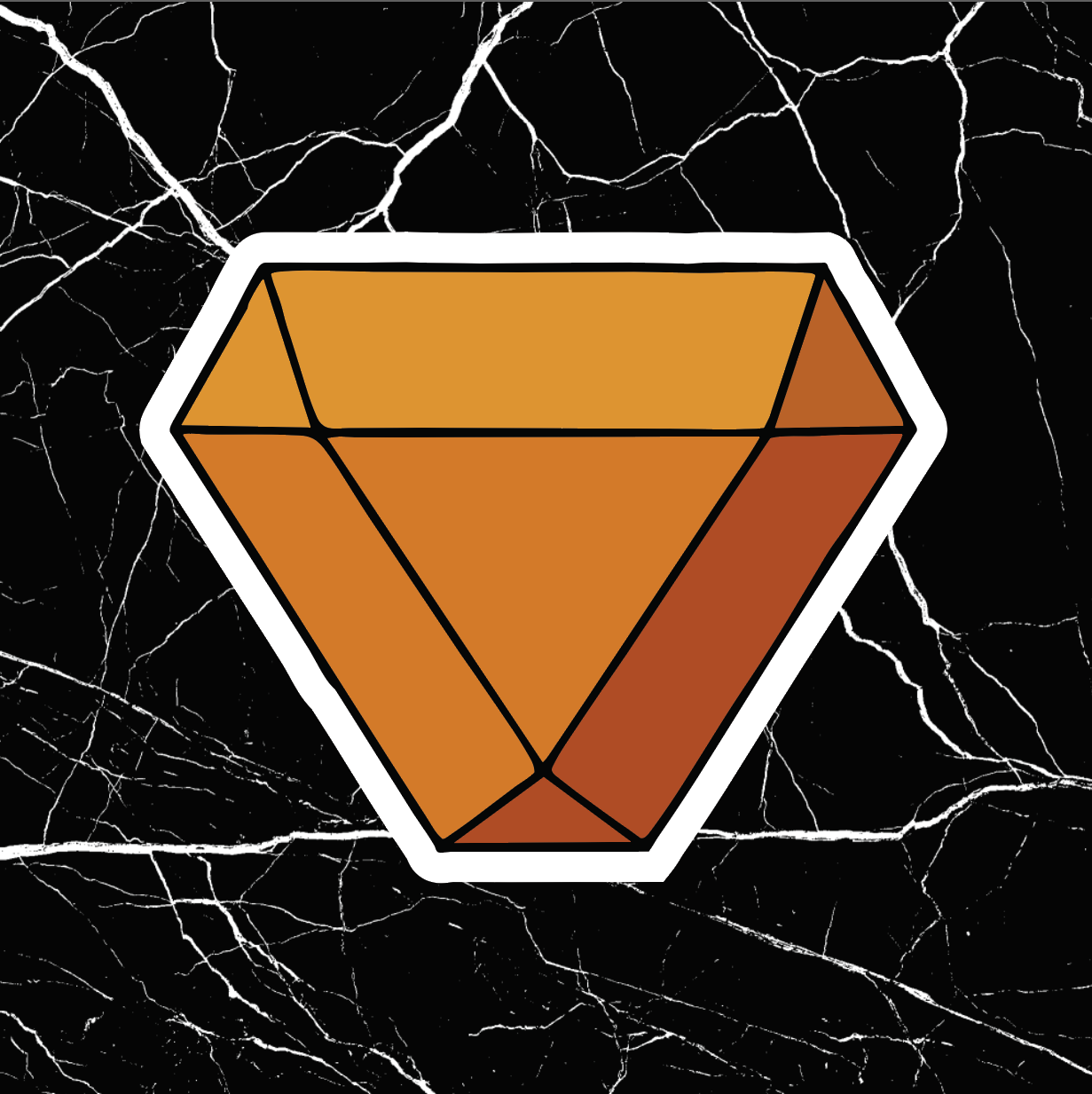
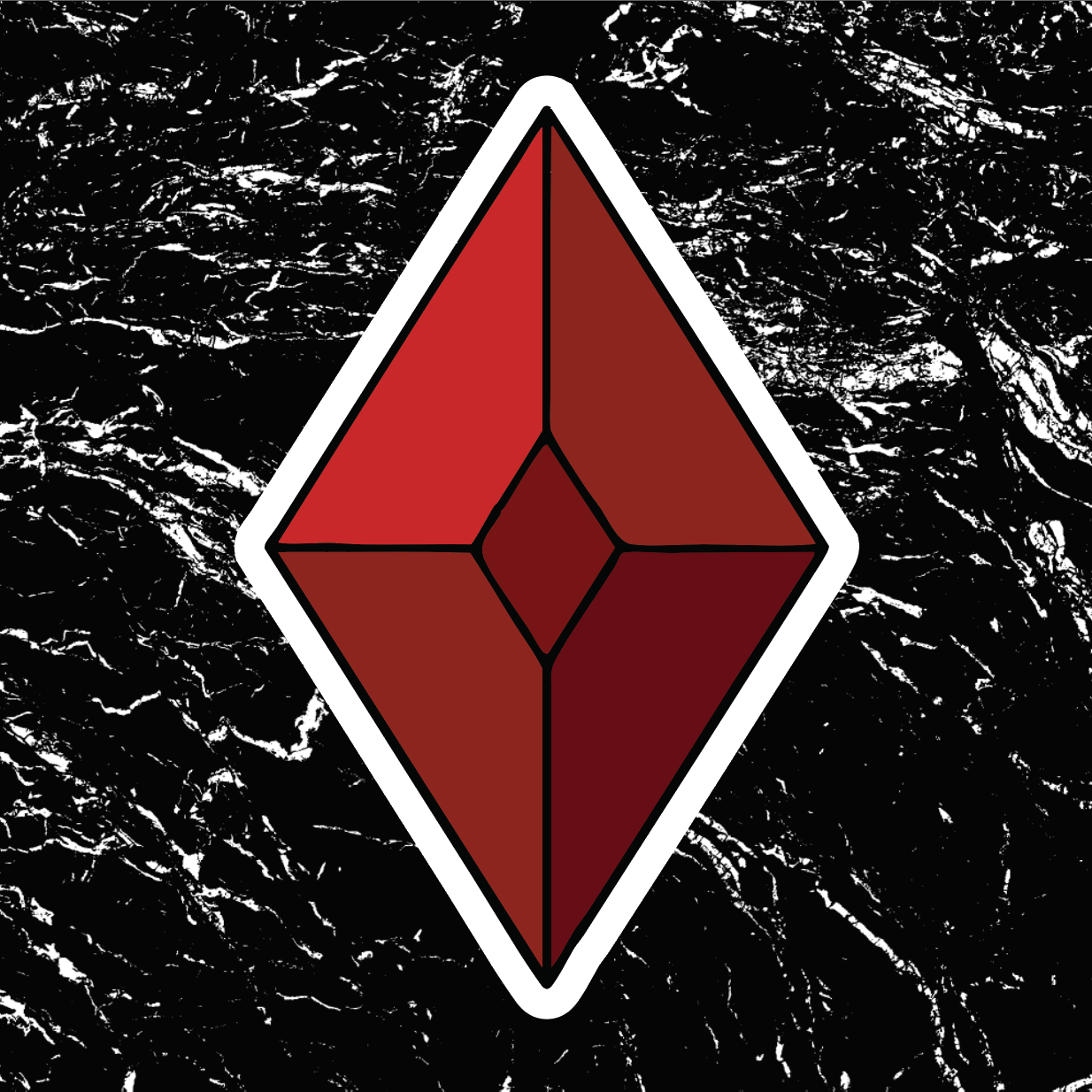

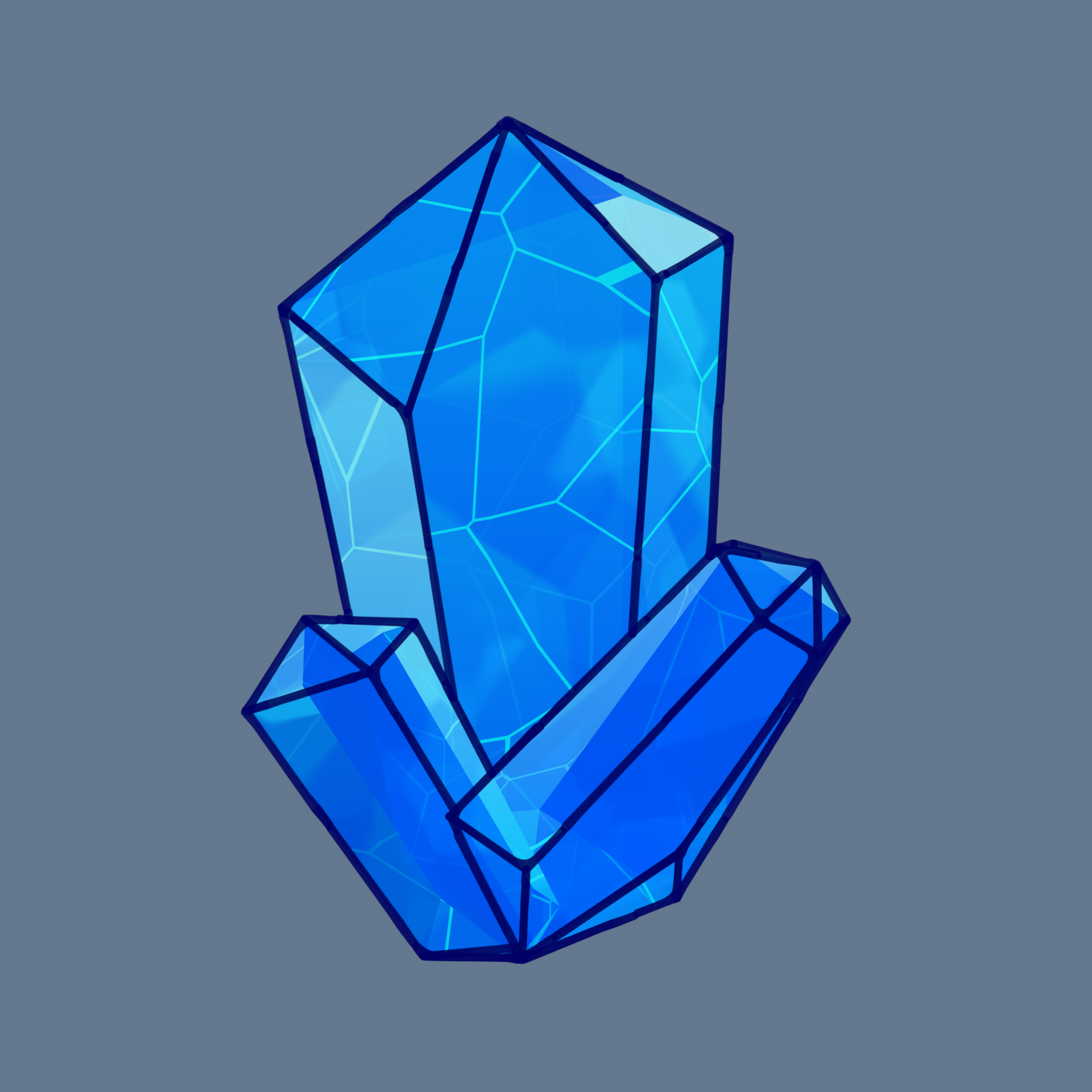
Yellow means lemon.
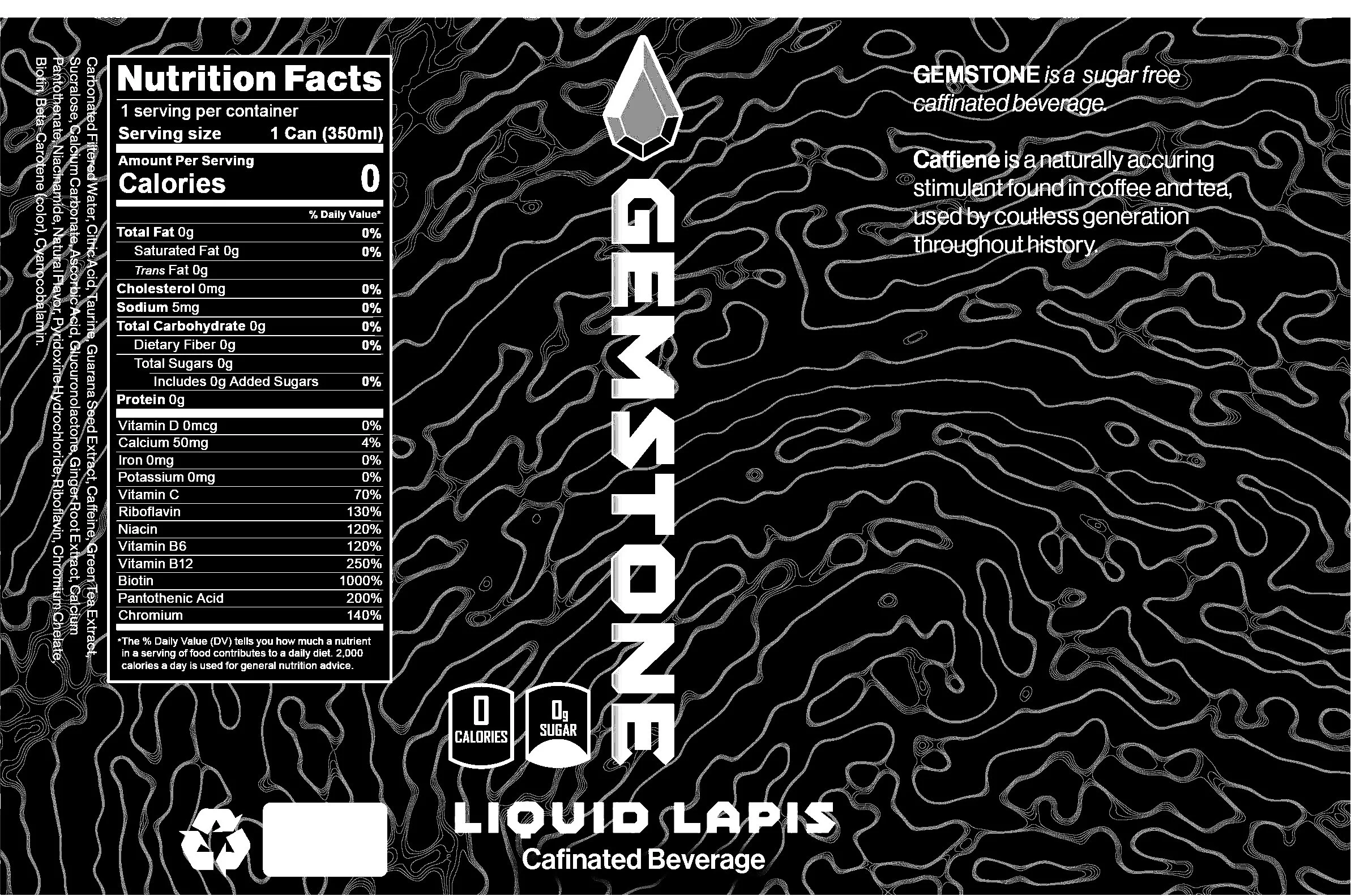
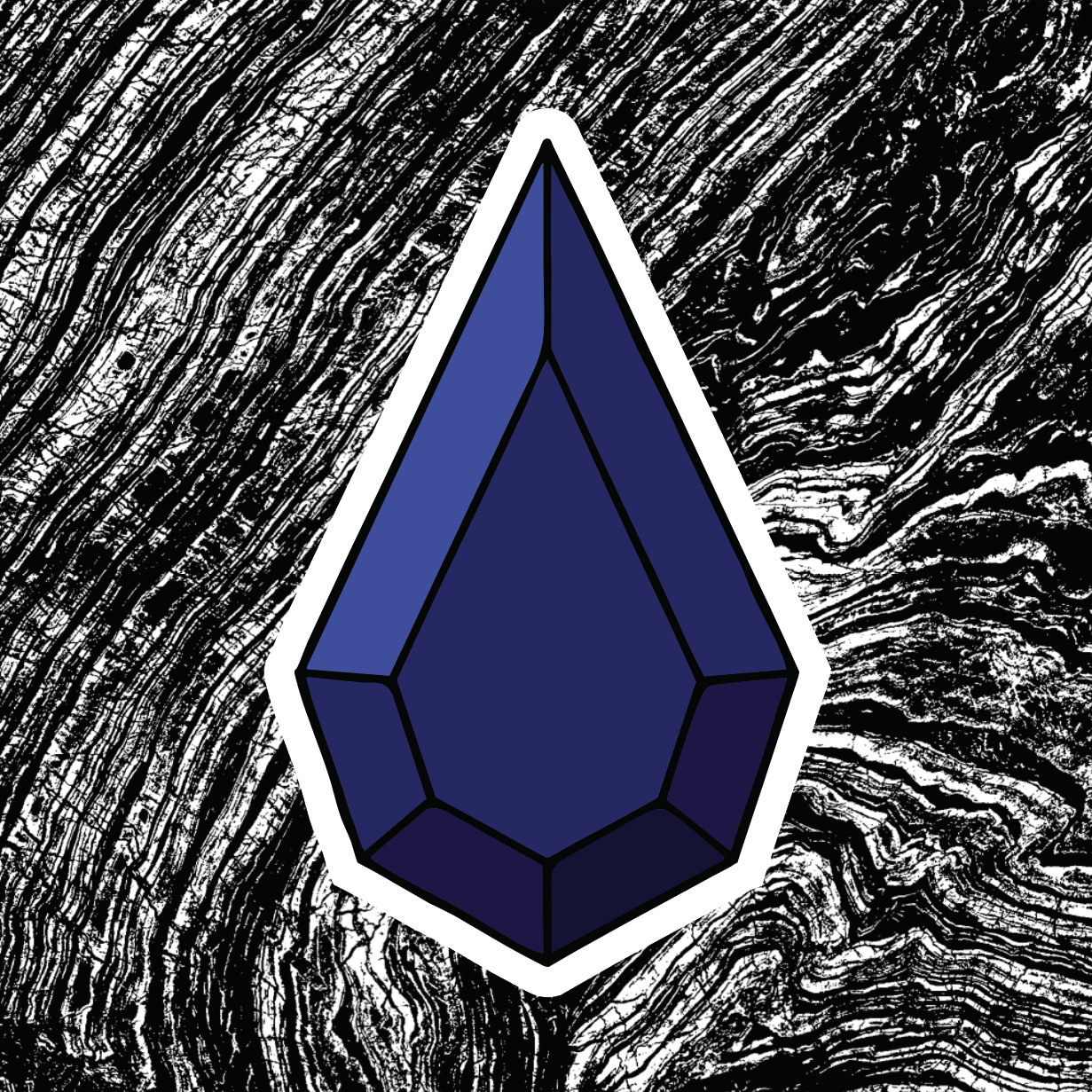
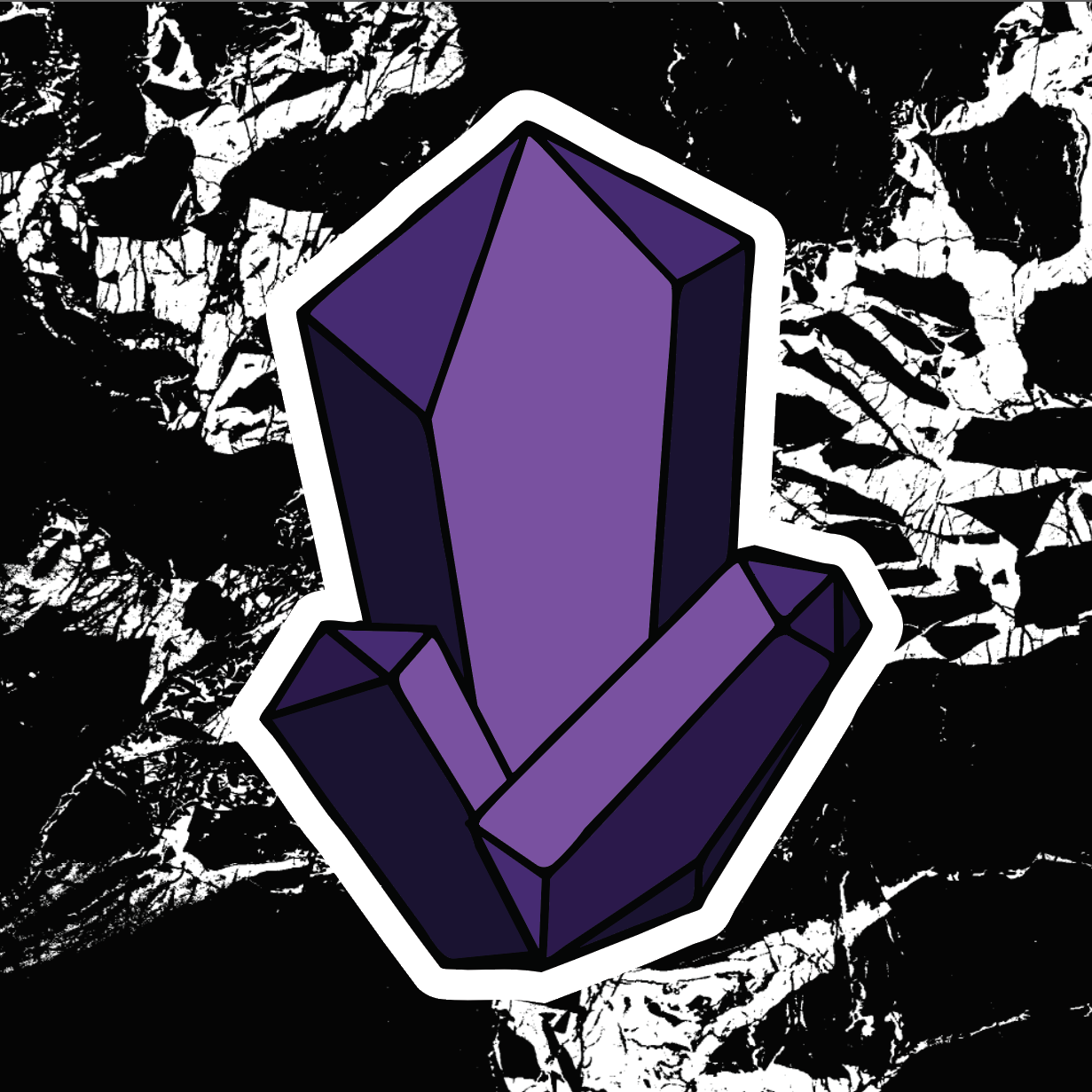
Bold colors can not only make your product stand out but also convey information about what is inside. I created a system that assigned a color, texture, and icon to each of the flavors making sure to keep a clean workflow that would allow for additions later if wanted.
CapstoneProcess Work
The project did not start with sketching on paper.
After deciding that the product behind my capstone would energy drink I started by researching the market for energy drinks and similar products. This included general statistics about American caffeine consumption as well as looking at how companies like Red Bull were started and how they have maintained their status to the current day.
Zero Sugar.
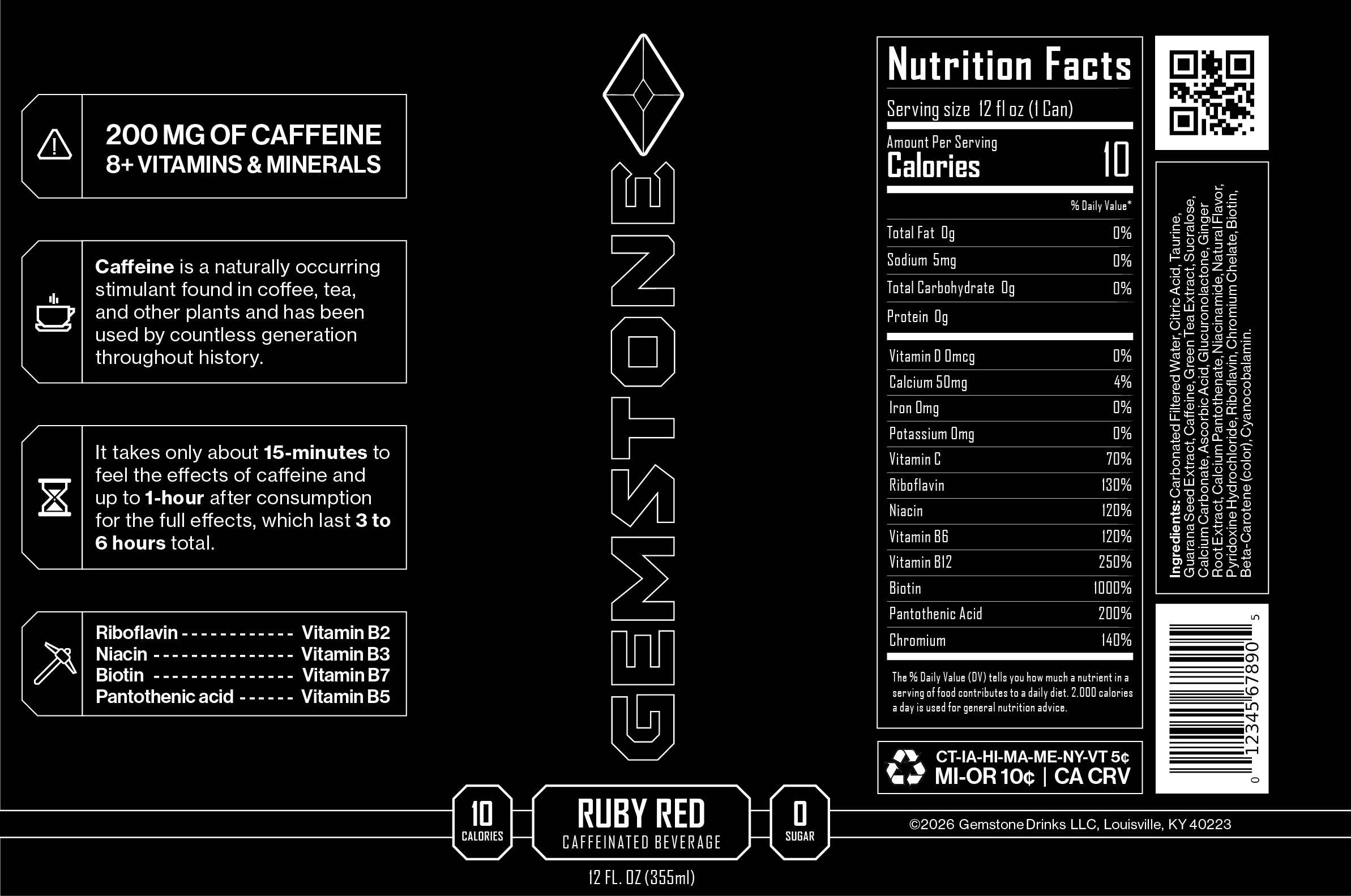
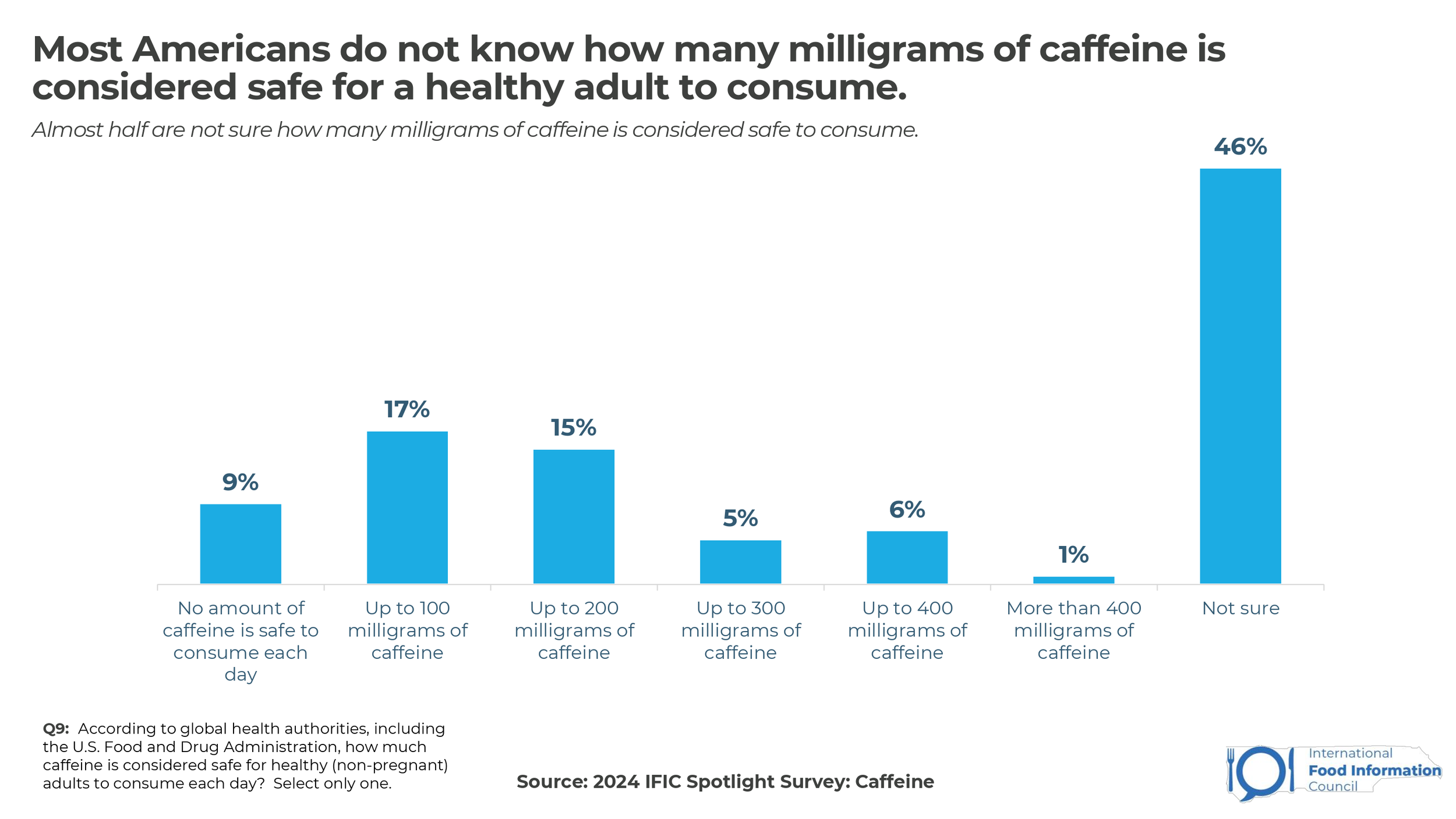
It is more common now more than ever to see someone drinking a zero sugar alternative to a beverage weather that is a soda or an energy drink, especially amounts a younger demographic. However, zero sugar does not mean zero consequences, and on on the designs of numerous cans it can be hard to tell how much caffeine is in them.
Share don’t scare.
While too much caffeine can be a bad thing there are plenty of other scary sounding words that can be found on food labels. For example the fact that the drink contains 200% of your daily recommended value pantothenic acid sounds scary, but saying it has an extra dose of vitamin B5 to boost your metabolism. In my designs I wanted to give the consumer the opportunity to understand the product better as a way to build trust…?